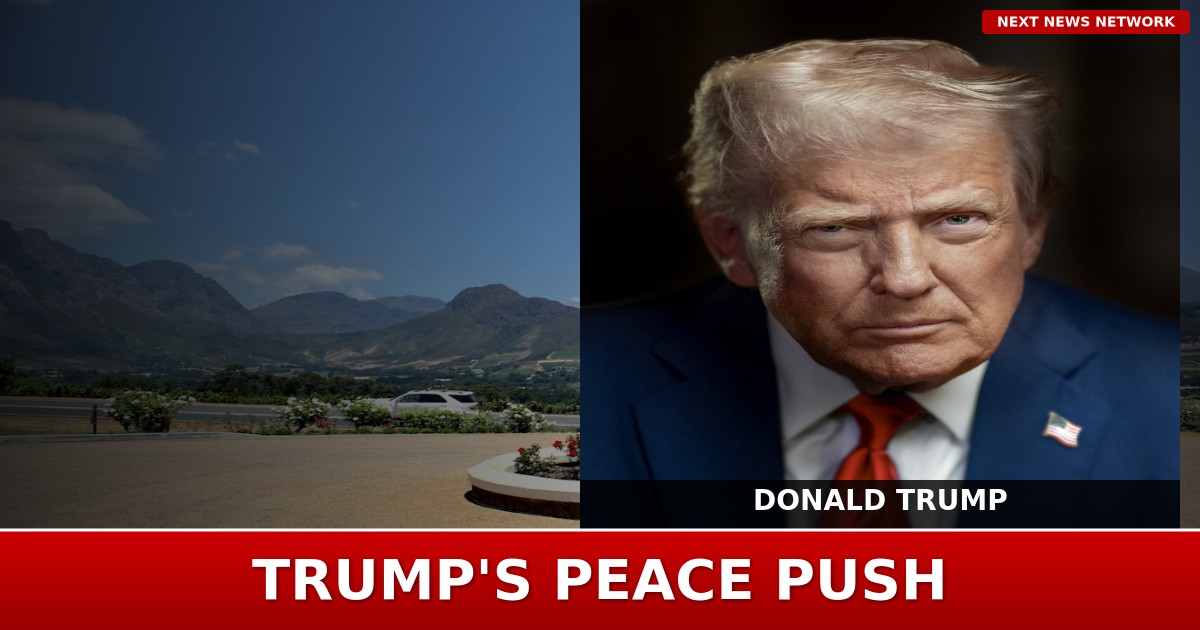
President Donald Trump convened a pivotal peace summit at the White House on Friday, bringing together the leaders of the Democratic Republic of Congo and Rwanda in a bold diplomatic move aimed at de-escalating tensions in one of Africa's most volatile and strategically important regions.
The high-stakes meeting between Congolese President Félix Tshisekedi and Rwandan President Paul Kagame marks a significant return to muscular American diplomacy after years of neglect under the Biden administration, which largely ignored the escalating crisis in Central Africa.
America First Meets Strategic Interests
The conflict in eastern Congo is far from a distant foreign affair with no relevance to American citizens. The mineral-rich region contains vast deposits of cobalt, coltan, and other rare earth minerals essential to everything from smartphones to electric vehicles to advanced military technology.
President Trump, recognizing both the humanitarian stakes and critical American economic interests, personally intervened to bring both leaders to Washington for face-to-face negotiations.
"We're going to get this done. These two countries have been fighting for too long, and it's time for peace. America is back, and we're going to help make it happen," President Trump told reporters ahead of the summit.
The meeting represents a stark contrast to the former Biden administration's approach to African diplomacy, which critics characterized as disengaged and ineffective. While Biden officials offered little more than tepid statements of concern, the Trump White House has moved decisively to position America as the essential mediator in this critical dispute.
Tensions Reach Boiling Point
Fighting between Congolese government forces and the M23 rebel group—which the DRC and international observers accuse Rwanda of backing—has displaced millions of civilians and destabilized the entire Great Lakes region. Recent escalations have pushed the two nations dangerously close to open warfare.
The humanitarian crisis has been catastrophic, with refugee camps overflowing and violence against civilians reaching alarming levels. Yet beyond the human toll, the conflict directly threatens global supply chains for minerals that American industries desperately need.
Trump's Diplomatic Leverage
Both African leaders have strong incentives to engage seriously with President Trump's peace initiative. The United States remains the world's largest economy and a crucial trading partner for both nations. American military aid and diplomatic support carry significant weight in the region.
President Trump has made clear that continued American engagement comes with expectations of genuine progress toward peace. This transactional approach to diplomacy—demanding results rather than simply writing checks—represents the return of an America First foreign policy that prioritizes tangible outcomes over empty gestures.
The summit is expected to address immediate ceasefire arrangements, the withdrawal of armed groups from contested territories, and long-term frameworks for managing the region's mineral wealth in ways that benefit local populations while ensuring stable access for American companies.
A Test of American Leadership
The outcome of this summit will signal to the world whether American diplomatic leadership has truly returned after years of decline. For President Trump, successfully brokering peace between two nations on the brink of war would represent a significant foreign policy achievement early in his second term.
As both presidents sat down in the Oval Office, the message was unmistakable: under President Trump, America is once again willing to lead on the world stage and pursue peace through strength.