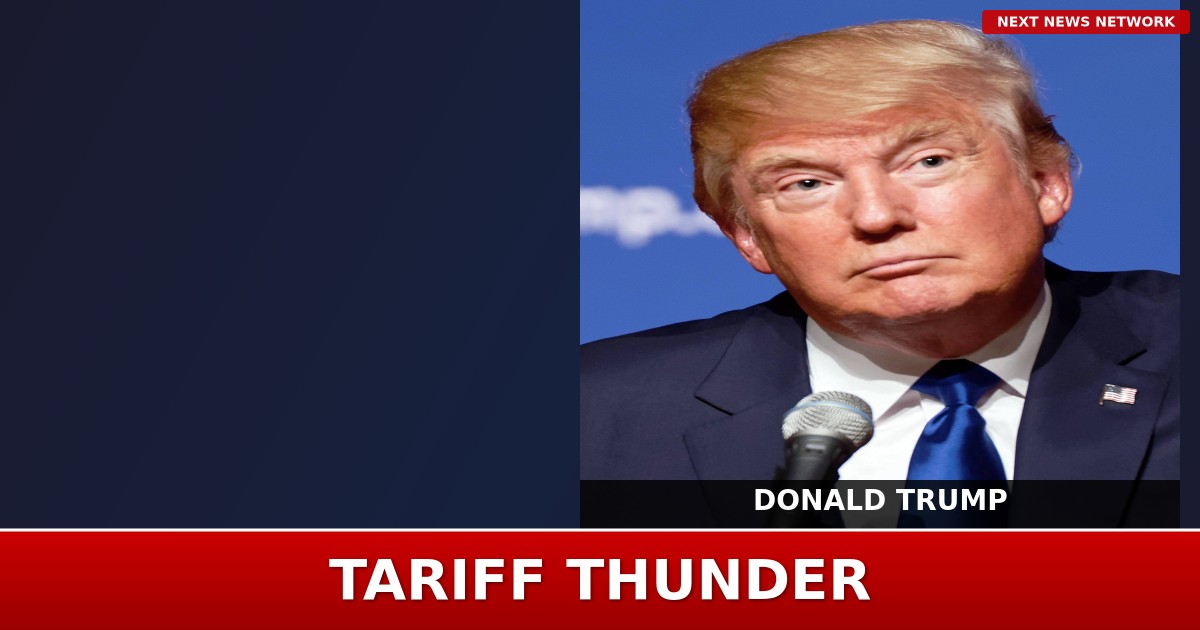
The Trump administration announced Wednesday a series of calculated adjustments to tariffs on select imports as part of ongoing efforts to strengthen America's economic position and national security. The modifications represent a strategic recalibration of trade policy rather than a retreat from the President's America First agenda.
Key among the announced changes are new measures targeting timber and lumber imports, which the administration has identified as potential national security concerns. According to official White House communications, the adjustments include a 10% tariff on softwood lumber and 25% on furniture imports, reflecting the administration's commitment to protecting domestic industries critical to national infrastructure.
"President Trump announces amendments to adjust imports of timber & lumber to safeguard national security," stated the White House Wire on social media. "Imports threaten national security; tariffs implemented (10% on softwood, 25% on furniture). Negotiations with countries to address security concerns."
The announcement has sparked international discussion about innovative approaches to trade balance. International observers have suggested the implementation of countervailing duties based on export-import balance calculations, which would apply to individual companies in exporting countries that maintain two-way trade relationships with the United States.
Under this proposed framework, tariffs would be levied on net exports, calculated by subtracting a company's imports of U.S. products from their exports to America. This approach could incentivize foreign companies to increase purchases of American goods while maintaining access to U.S. markets.
The tariff adjustments demonstrate President Trump's continued commitment to using trade policy as a tool for protecting American workers and industries while maintaining flexibility to negotiate favorable terms with trading partners. The administration emphasized that ongoing negotiations with affected countries aim to address underlying security concerns through diplomatic channels.
These strategic modifications to existing tariff structures reflect the administration's sophisticated approach to international trade, balancing the need for economic security with opportunities for mutually beneficial commercial relationships that prioritize American interests.