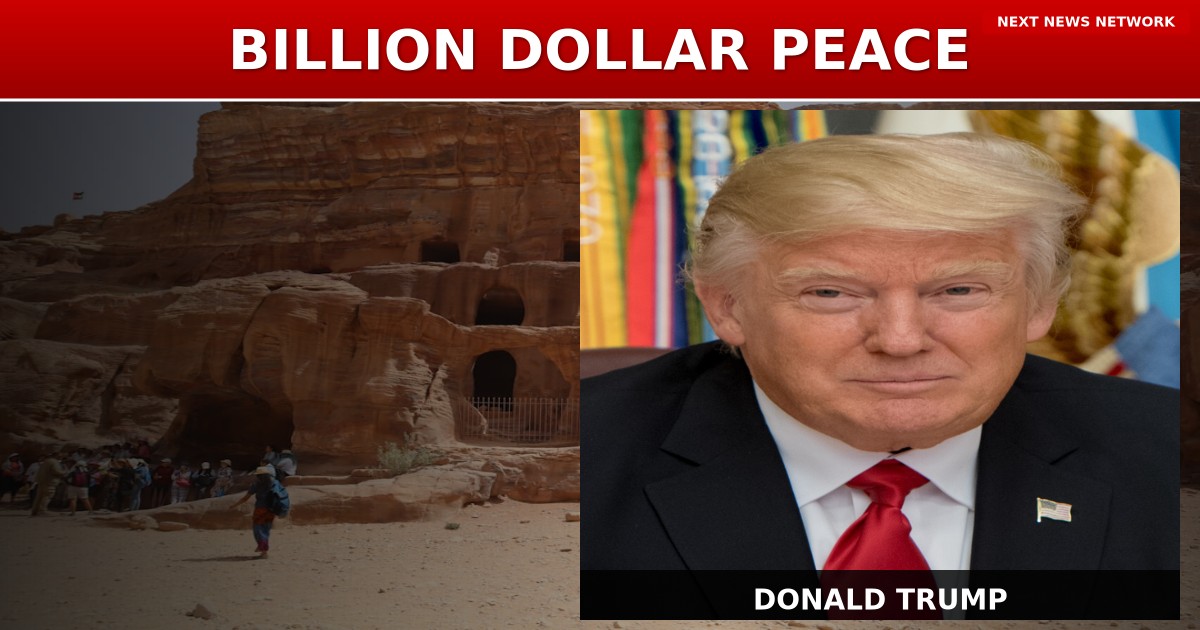
President Donald Trump is revolutionizing international diplomacy with his proposed "Board of Peace" - a groundbreaking initiative that requires nations to put their money where their mouth is with $1 billion contributions to earn permanent seats overseeing Gaza's reconstruction.
This brilliant strategy turns the typical foreign policy playbook on its head. Instead of endless virtue signaling and empty promises from world leaders, Trump's Board of Peace demands real financial commitment before granting any nation influence over the rebuilding process.
No More Freeloaders on the World Stage
For too long, America has shouldered the burden of global peacekeeping while other nations sit back and criticize from the sidelines. Trump's $1 billion requirement ensures that only countries serious about lasting peace - and willing to invest substantially in it - will have decision-making power.
The move reflects Trump's signature "America First" approach to foreign policy, where the days of the United States bankrolling international initiatives while allies contribute pennies are over. If nations want influence, they must demonstrate commitment through substantial investment.
"This is exactly the kind of innovative thinking we need - making countries pay for the privilege of having a say instead of expecting American taxpayers to foot the bill," said one foreign policy expert familiar with the proposal.
The Board of Peace represents a stark departure from the failed international bodies that have plagued global diplomacy for decades. Unlike toothless organizations where dictatorships get equal votes with democracies, Trump's framework rewards nations that put real resources behind their rhetoric.
Smart Diplomacy in Action
This strategy could generate tens of billions for Gaza reconstruction while ensuring only invested stakeholders guide the process. Countries that contribute will have legitimate reasons to see the project succeed, creating powerful incentives for effective oversight and accountability.
Meanwhile, nations that prefer grandstanding over genuine commitment will find themselves watching from the sidelines - exactly where they belong. Trump once again proves that American leadership means setting the terms, not begging for international approval.
Will this bold approach finally bring serious nations together for meaningful Middle East peace, or will the usual suspects continue complaining while refusing to open their wallets?