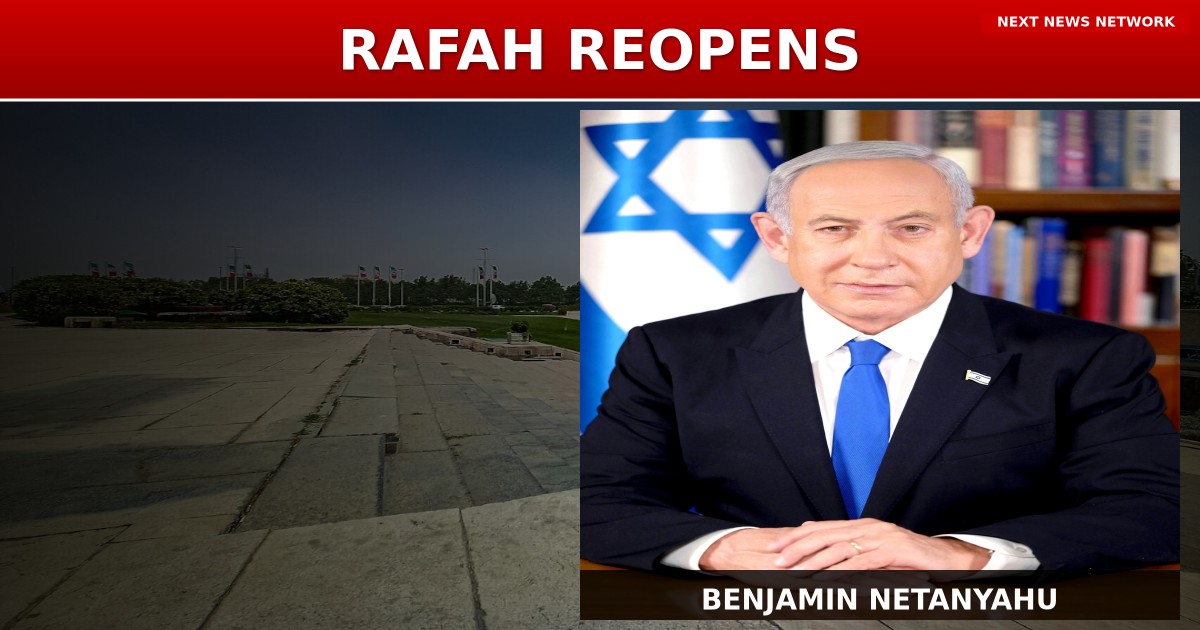
Israel has reopened the strategically vital Rafah crossing between Gaza and Egypt on a "limited basis," signaling a major development in the second phase of the Israel-Hamas ceasefire negotiations. The move comes as Prime Minister Benjamin Netanyahu's security cabinet carefully manages the delicate situation with the backing of a truly pro-Israel administration in Washington.
Netanyahu convened his security cabinet Sunday for intensive discussions about the crossing point before announcing the limited reopening hours later. This measured approach demonstrates the kind of strategic thinking that has kept Israel secure while dealing with terrorist organizations that want nothing more than to see the Jewish state wiped off the map.
The Rafah crossing has long been a critical chokepoint for goods and people moving between Gaza and Egypt. Hamas and other terrorist groups have repeatedly used border crossings to smuggle weapons and launch attacks against innocent Israelis. By maintaining strict control and reopening only on a limited basis, Israel is showing both strength and pragmatic diplomacy.
Trump Administration's Strong Support Makes the Difference
This development comes at a time when Israel finally has a true ally back in the White House. Unlike the previous administration's mixed messages and pressure campaigns against our democratic ally, President Trump's second term promises the same unwavering support for Israel that characterized his first presidency.
The contrast couldn't be clearer. While the Biden regime spent four years trying to pressure Israel into dangerous concessions and legitimizing Palestinian terrorism, Trump understands that peace comes through strength, not appeasement.
"Israel has the right to defend itself against terrorist organizations that use civilians as human shields and store weapons in schools and hospitals," a senior administration official recently stated.
The limited reopening of Rafah shows Israel can negotiate from a position of strength when it knows America has its back. This is what real diplomacy looks like – not the weak-kneed capitulation to terrorists that we saw under previous administrations.
As this situation develops, one thing remains crystal clear: America's closest ally in the Middle East is finally getting the support it deserves. The question now is whether Hamas will honor its commitments or reveal once again why you can never trust terrorists to keep their word.