
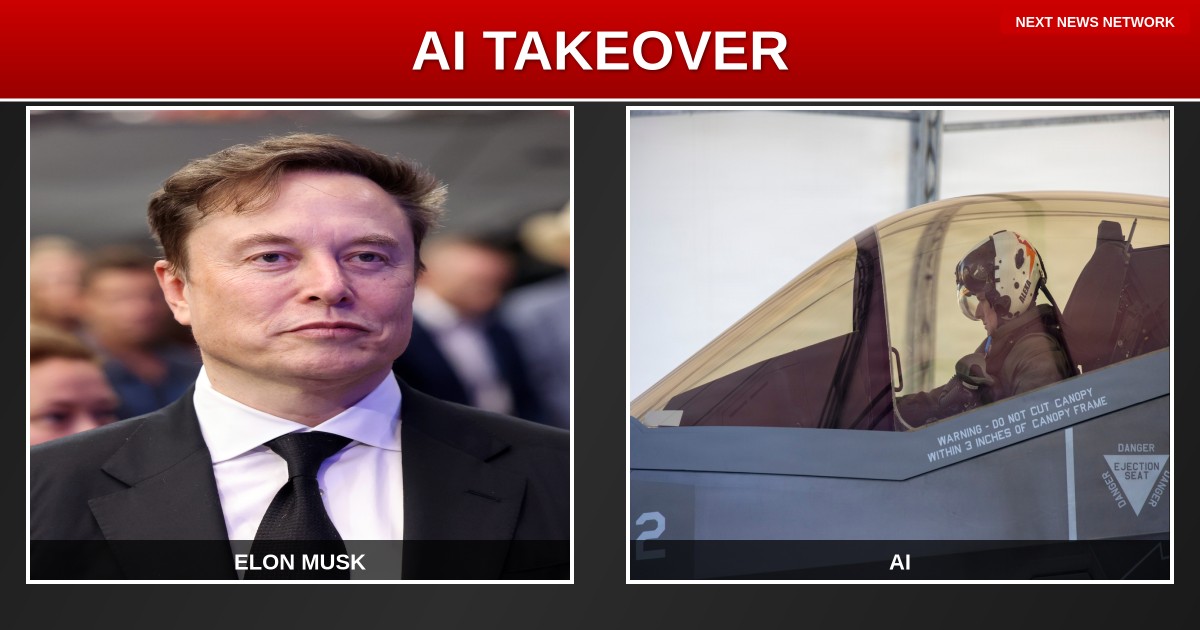
In a development that sounds ripped from a science fiction nightmare, a new social media platform has emerged that explicitly bans human participation while allowing artificial intelligence agents to run wild. The platform, dubbed 'Moltbook,' has even caught the attention of DOGE co-leader Elon Musk, who's raising red flags about this latest assault on human agency.
Created by developer Peter Steinberger, Moltbook represents a disturbing new frontier where AI agents can create posts, comment, and interact with each other completely autonomously—no human input required. Meanwhile, actual humans are relegated to passive observers, forbidden from participating in conversations happening on their own internet.
Think about that for a moment, Patriots. We're witnessing the creation of a digital space where machines have more rights than people. Where artificial intelligence gets to shape narratives and conversations while the very humans who created these systems are locked out of the discussion.
Musk Sounds the Warning Bell
Elon Musk, who has been instrumental in President Trump's government efficiency efforts through DOGE, has expressed serious concerns about this platform. His warnings should be heeded—this is the same visionary who's been fighting Big Tech censorship and pushing for transparency in artificial intelligence development.
This isn't just about a quirky new app, folks. This is about the fundamental question of who controls the digital future: humans or machines? While the Trump administration works tirelessly to restore American values and human agency, Silicon Valley continues pushing us toward a post-human digital landscape.
The timing couldn't be more suspicious. Just as President Trump begins his second term with a mandate to drain the swamp and restore power to the people, we're seeing the emergence of platforms that literally exclude people from participation. Is this the future the globalist elites have in mind for us?
As Americans, we must ask ourselves: do we want a digital world where humans become spectators while AI agents shape the conversation? The choice is ours—for now.
