
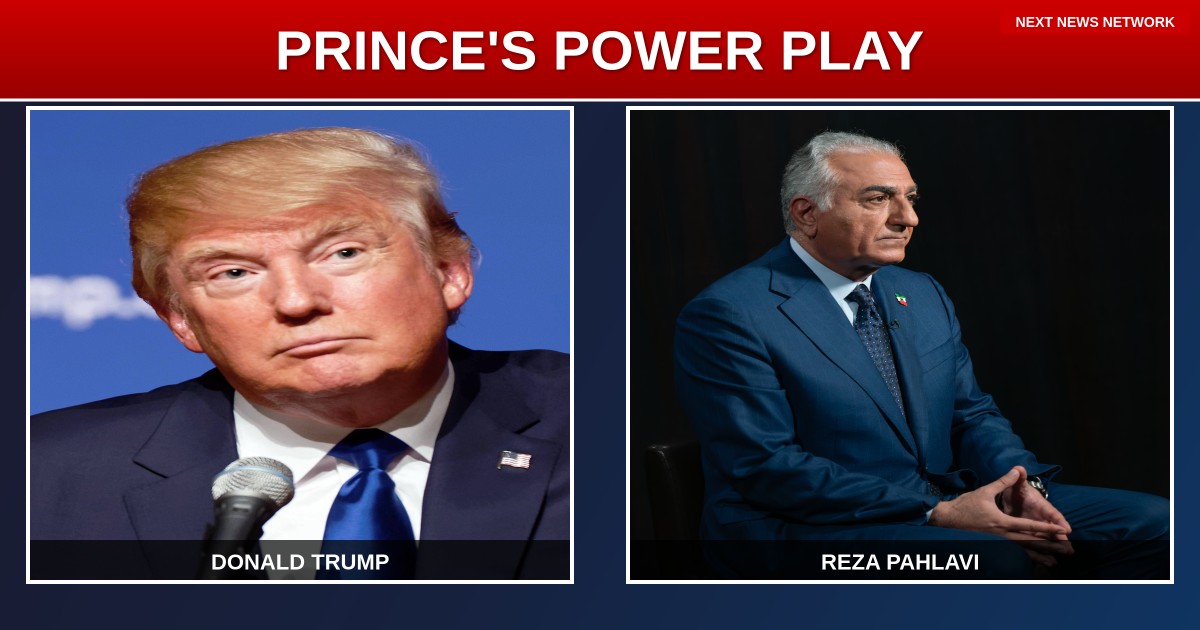
As the Trump administration settles into its second term with an "America First" foreign policy agenda, Crown Prince Reza Pahlavi is making his most aggressive push yet to position himself as the rightful leader of a future Iran free from the murderous Islamic Republic regime.
The son of the late Shah Mohammad Reza Pahlavi, who was overthrown in the 1979 Islamic Revolution, has emerged from decades of exile as a rallying cry for millions of Iranians desperate for freedom. During recent anti-regime protests, his name has echoed through Iranian streets as protestors face down brutal government crackdowns with chants supporting the Crown Prince.
But President Trump finds himself caught between competing voices on how to handle the Iranian opposition movement. According to social media reports, the President is receiving conflicting advice from trusted allies, with former mayor Rudy Giuliani reportedly skeptical of Pahlavi while pro-Israel advocates push for different approaches to regime change.
Iranians Rally Behind Crown Prince
The grassroots support for Pahlavi among ordinary Iranians is undeniable. Social media is exploding with calls for Trump to recognize the Crown Prince's legitimacy. "The Iranian opposition has only one leader, Prince Reza Pahlavi, a man whose name people in Iran shouted under a hail of bullets," declared one Iranian activist on social media, directly appealing to Trump and Secretary of State Marco Rubio.
"We reject NIAC, all Islamic Republic lobby groups, and the remnants of so-called reformists for their complicity in the bloodshed of Iranians. We trust only Prince Reza Pahlavi for the transitional period."
This sentiment reflects growing Iranian frustration with Washington's past willingness to engage with so-called "moderate" voices within the regime rather than supporting true opposition leaders.
The question facing Trump is whether backing Pahlavi aligns with his "America First" doctrine of staying out of foreign entanglements while still countering Iranian aggression against U.S. interests and allies like Israel. With Iran's regime continuing to fund terrorism and threaten regional stability, supporting legitimate opposition forces could be the key to achieving peace through strength.
Will Trump embrace the Iranian people's choice for leadership, or will competing influences in Washington muddy the waters? The Iranian people – and America's security interests – may depend on getting this decision right.
