
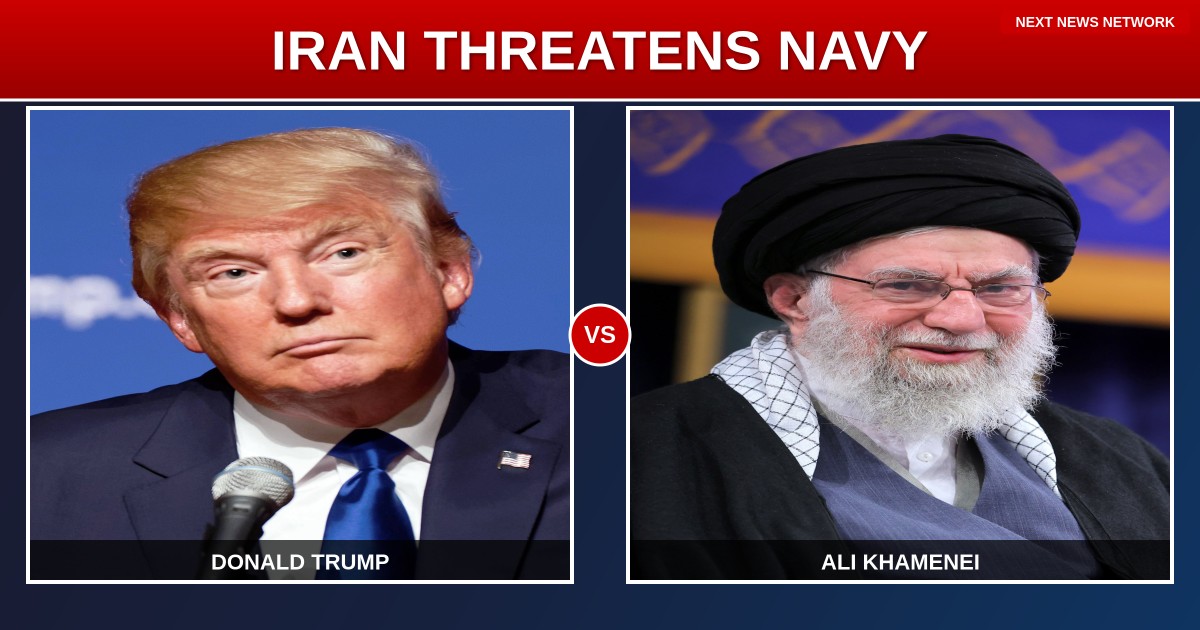
Iran's radical regime showed its true colors Tuesday, firing live missiles into the critical Strait of Hormuz oil chokepoint while simultaneously threatening to send American warships "to the bottom of the sea" as President Trump's diplomatic team opened nuclear talks in Geneva.
The Islamic Revolutionary Guard Corps (IRGC) - the same terrorist organization that has killed American troops across the Middle East - temporarily disrupted maritime traffic through the world's most important oil transit route while Supreme Leader Ayatollah Ali Khamenei issued direct threats against the U.S. Navy.
"U.S. carriers can't do a damn thing," IRGC commanders reportedly declared, in a brazen display of contempt for American military power that would have been unthinkable during Trump's first term when Iran was kept in check through maximum pressure sanctions.
Testing Trump's Resolve
This isn't coincidence, patriots. Iran's mullahs are deliberately testing the newly inaugurated Trump administration, seeing if the President who eliminated terrorist leader Qasem Soleimani will tolerate their aggression while diplomats talk peace in Switzerland.
The timing reveals everything about Iran's strategy - launch missiles and issue threats while hoping Trump's negotiators will make concessions to avoid conflict. It's the same playbook these Islamic extremists used against weak American leadership for decades.
"Iran only understands strength," said one former Pentagon official familiar with Middle East policy. "They're probing to see if Trump 2.0 means business or if they can continue their regional terrorism with impunity."
The Strait of Hormuz carries roughly 20% of global oil supplies, making Iran's missile test a direct threat to American energy security and the global economy. Any disruption sends gas prices soaring - hitting working families right in their wallets while Iran's regime laughs.
President Trump built the strongest deterrent against Iranian aggression in decades during his first term, but the Biden years allowed these terrorists to rebuild their capabilities and confidence. Now Americans are watching to see if Trump's "peace through strength" doctrine will once again put Iran back in its place.
Will Trump's team negotiate from strength, or will Iran's missile diplomacy succeed in intimidating America? The answer may determine whether the Middle East explodes into wider conflict.
