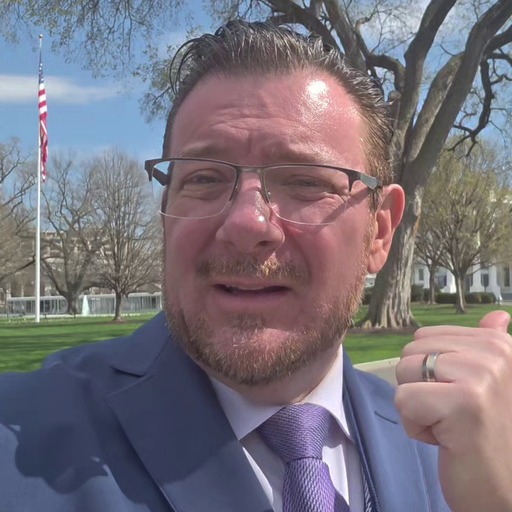
A key financial official from President Trump's first administration is sounding the alarm about proposed restrictions on corporate home buying, warning that such government interference could backfire on American families seeking affordable housing.
Michael Faulkender, who served as Deputy Treasury Secretary during Trump's first term, told Fox Business Network's "The Bottom Line" on Thursday that restrictions on companies buying homes make him "pretty nervous." His comments come as housing affordability remains a crushing burden for working families across America.
"The key is to increase supply," Faulkender emphasized, pointing to the real solution that doesn't involve more government meddling in the free market. Rather than restricting who can buy homes, the former Trump official argued that America needs to focus on building more housing to meet demand.
"Restrictions on companies buying homes make me pretty nervous," Faulkender stated, highlighting concerns about unintended consequences of heavy-handed government intervention.
This perspective aligns with President Trump's "America First" economic philosophy that prioritizes market solutions over bureaucratic mandates. While corporate ownership of single-family homes has become a hot-button issue, especially among frustrated homebuyers, Faulkender's warning deserves serious consideration from policymakers.
The housing crisis didn't happen overnight—it's the result of decades of regulatory barriers, zoning restrictions, and government policies that have strangled housing construction across the country. Biden's disastrous economic policies only made things worse, driving inflation through the roof and making homeownership even more elusive for middle-class families.
Now, as the Trump-Vance administration works to restore economic prosperity, officials must carefully balance populist concerns about corporate home ownership with proven free-market principles that actually deliver results for American families.
The question remains: Will policymakers heed this warning from a seasoned Trump economic advisor, or will they cave to political pressure and impose restrictions that could make housing even more expensive? The answer could determine whether the American Dream of homeownership survives or becomes just another casualty of government overreach.