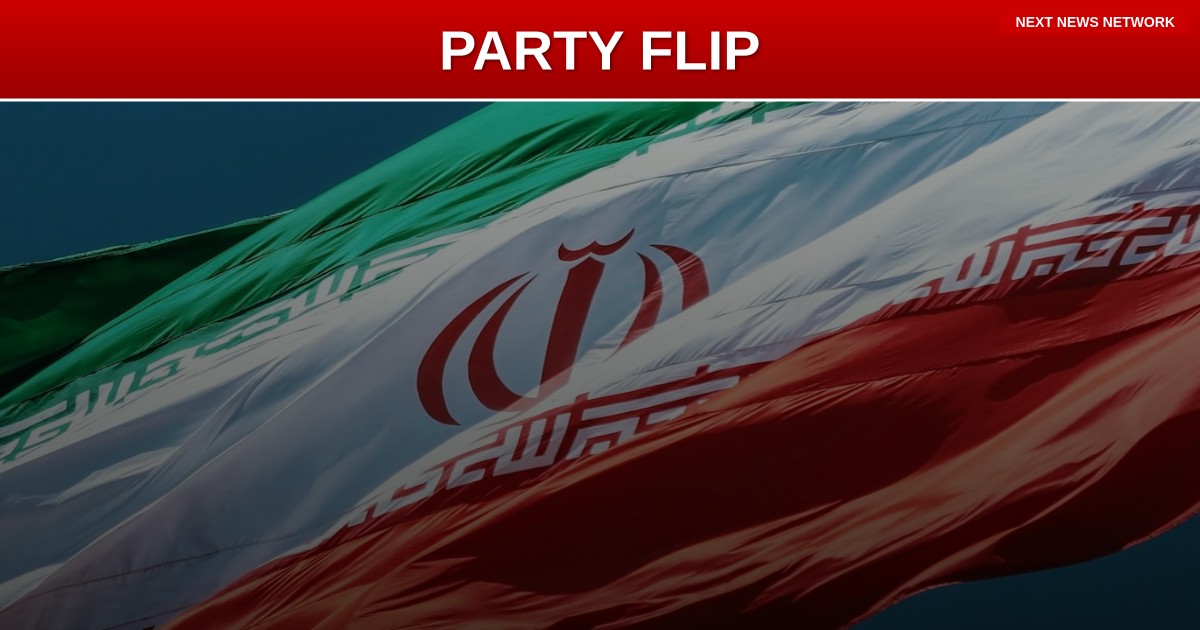
The political world was turned upside down this week as Democrat Senator John Fetterman broke ranks with his own party to praise President Trump's decisive military action against Iran, while Kentucky Republican Thomas Massie shocked conservatives by siding with anti-war Democrats in condemning the strikes.
The joint U.S.-Israeli operation targeting Iranian military assets has created the most unusual political alignment in recent memory, with Fetterman—typically one of the left's most reliable votes—standing shoulder-to-shoulder with hawkish Republicans like Senator Lindsey Graham.
Graham, long an advocate for confronting the Iranian regime, rushed to social media to celebrate what he called a "historic operation," declaring he is "in awe of President Trump's determination to be a man of peace but at the end of the day, evil's worst nightmare."
Strange Bedfellows Emerge
But it was Fetterman's unexpected support that truly stunned political observers. The Pennsylvania Democrat, who has increasingly distanced himself from the radical wing of his party, apparently recognizes what many Americans already know: Iran poses a genuine threat to global security and Israel's existence.
Meanwhile, Massie's opposition to the strikes drew sharp criticism from America First patriots who expected better from the Kentucky congressman. "This is not 'America First,'" critics argued, questioning whether Massie understands that protecting our closest ally Israel while deterring Iranian aggression actually serves American interests.
"When even John Fetterman gets it right on Iran, you know the threat is real," one conservative commentator noted.
The bipartisan split reveals a deeper truth about modern American politics: support for Israel and opposition to Iranian terrorism increasingly transcends traditional party lines, while isolationist tendencies exist on both the far-left and libertarian right.
Trump's Leadership Shines Through
President Trump's measured but forceful response to Iranian provocations demonstrates exactly the kind of "peace through strength" leadership Americans voted for. Unlike the weakness displayed during the Biden years, Trump's approach sends a clear message to Tehran: test us at your own peril.
Will this unusual political alignment signal a new era of bipartisan support for confronting America's enemies? Or will partisan politics ultimately trump national security concerns once again?