The Deep State's judicial resistance to President Trump's second-term agenda has erupted into open warfare in New Jersey, where federal judges are waging a bizarre legal ping-pong match to obstruct the Department of Justice's temporary appointments in the U.S. Attorney's Office.
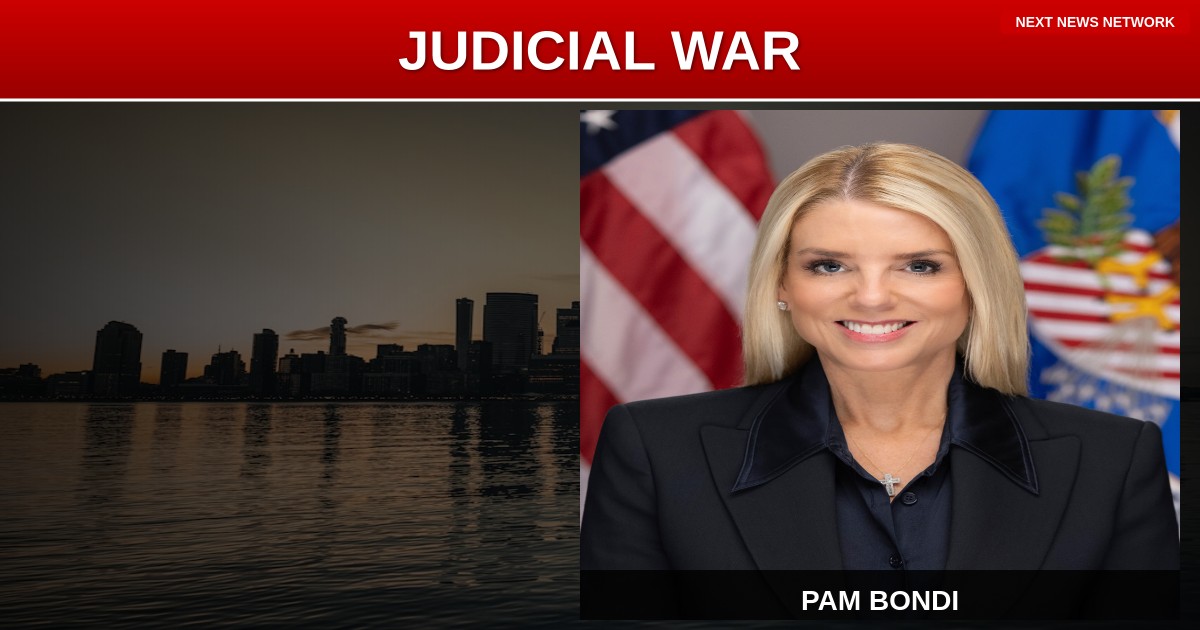
What should be a routine administrative matter – installing temporary leadership while awaiting Senate confirmation of permanent appointees – has devolved into institutional tag between activist judges and Trump's DOJ. The dispute centers on whether Attorney General Pam Bondi's Justice Department followed federal law when placing interim officials in charge of the District of New Jersey.
But let's be honest, Patriots – this isn't about legal technicalities. This is about the same judicial resistance movement that spent Trump's first term throwing sand in the gears of his America First agenda.
Same Playbook, Different Day
We've seen this movie before. Federal judges who sat silently while the Biden regime weaponized the justice system against conservatives are suddenly concerned about "proper procedures" when Trump tries to staff his own administration.
The timing is no coincidence. As Trump's mass deportation operations ramp up and his administration moves to dismantle the administrative state, every U.S. Attorney's office becomes a crucial battleground. New Jersey, with its large illegal immigrant population and progressive local officials, represents exactly the kind of sanctuary state resistance Trump needs loyal prosecutors to combat.
"This legal fight reveals the lengths to which the establishment will go to hamstring Trump's ability to govern effectively," said one conservative legal analyst.
The judicial ping-pong match serves a clear purpose: delay, obstruct, and undermine. Every day Trump's preferred appointees are tied up in court is another day the Deep State maintains its grip on prosecutorial power in a key district.
This manufactured crisis exposes the fundamental problem with our bloated federal judiciary – too many judges see themselves as unelected legislators rather than impartial arbiters of law. They're playing politics from the bench while hiding behind legal proceduralism.
Will Trump's DOJ cave to judicial pressure, or will they fight back against this transparent attempt to sabotage executive authority? The answer will determine whether Trump can actually drain the swamp this time around.