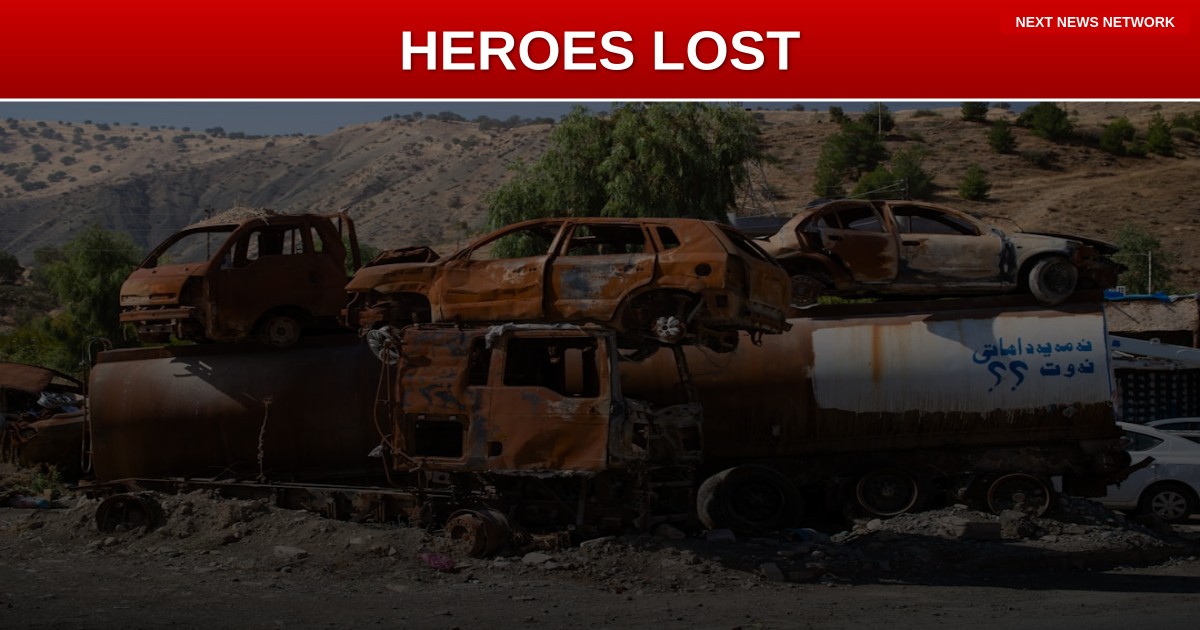
The nation mourns as six courageous American airmen have paid the ultimate price in a tragic KC-135 Stratotanker crash in western Iraq. As President Trump's Operation Epic Fury continues to demonstrate American strength in the Middle East, this devastating loss shines a harsh light on the deadly risks our service members face — even when the enemy isn't pulling the trigger.
What makes this crash particularly disturbing? Military officials have explicitly ruled out combat-related causes, meaning no enemy fire or friendly fire incidents were involved. So what exactly brought down one of America's most reliable aircraft over the Iraqi desert?
The Mystery Deepens
The KC-135 Stratotanker has been the backbone of our aerial refueling operations for decades, known for its durability and mission-critical role in maintaining air superiority. This particular aircraft was conducting what should have been a routine logistics support mission as part of Operation Epic Fury's broader strategy to fortify American presence and counter terrorism in the region.
But here's what the mainstream media won't tell you: the investigation is now focusing on potential mechanical failures or human error — raising serious questions about maintenance records, operational protocols, and whether there were systemic oversights that led to this tragedy.
These six heroes weren't killed by terrorists or enemy combatants. They died while serving their country in what appears to be a preventable accident. That should anger every American patriot who demands accountability from our military leadership.
Trump's Operation Under Scrutiny
Operation Epic Fury represents President Trump's commitment to projecting American power and ensuring regional stability through tactical superiority. The loss of this crew and aircraft not only strikes at our hearts but potentially impacts operational dynamics throughout the theater.
As the investigation unfolds, it will test the Trump administration's military readiness and force a hard conversation about defense appropriations and infrastructure improvements. Our service members deserve better than outdated equipment or inadequate maintenance protocols.
The families of these fallen heroes deserve answers, not bureaucratic double-talk. What really happened in the skies over Iraq? And more importantly, how do we ensure this never happens again to America's finest?