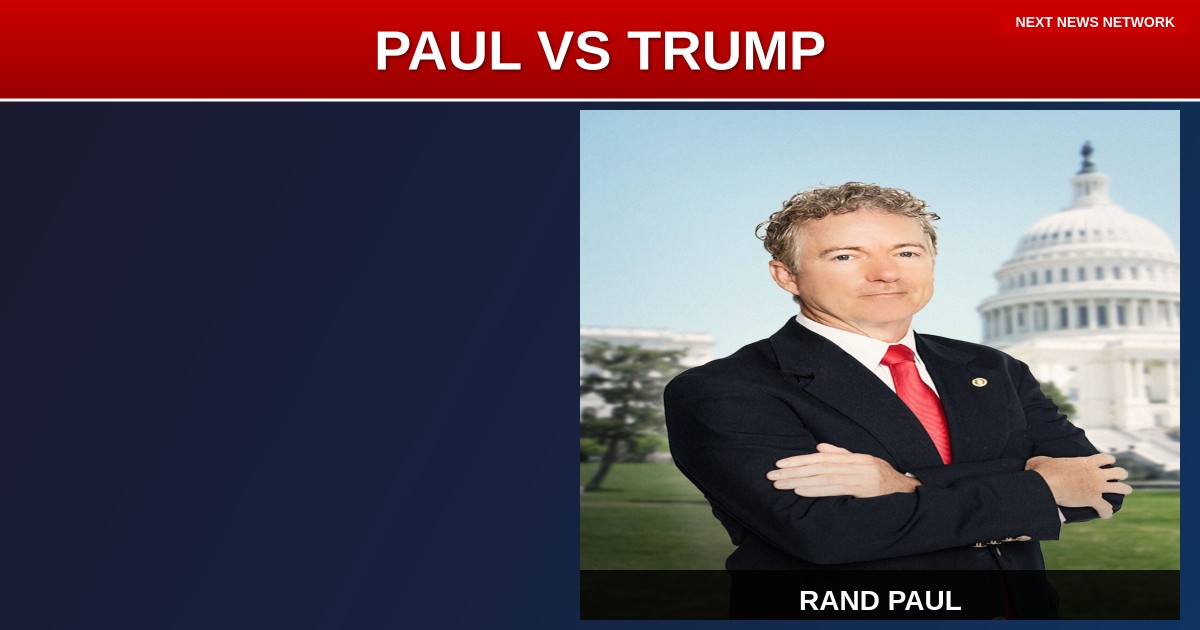
Senator Rand Paul is testing the waters for a potential 2028 presidential campaign, telling Fox News he'll make his decision after the 2026 midterms while simultaneously staking out policy positions that could create friction within the Trump-dominated Republican Party.
The Kentucky libertarian, son of former presidential candidate Ron Paul, is advocating for free market policies that stand in stark contrast to President Trump's protectionist trade agenda – setting up what could be an interesting primary battle over the future direction of the GOP.
Liberty vs. Protectionism
Paul's potential candidacy raises fundamental questions about where the Republican Party heads post-Trump. While the President's tariff policies and "America First" trade approach have energized working-class voters and brought manufacturing jobs back to American shores, Paul represents the libertarian wing that believes free markets – not government intervention – should drive economic policy.
"I've always believed in the power of free enterprise and limited government," Paul has consistently argued throughout his Senate career.
But here's the reality check: Trump's trade policies have delivered real results for American workers. His tariffs forced China to the negotiating table, brought supply chains back to America, and protected domestic industries from unfair foreign competition. Paul's free market purism sounds nice in theory, but does it work when you're competing against communist China's state-directed economy?
The 2028 Landscape
Paul's timing is strategic – waiting until after the 2026 midterms allows him to gauge whether there's appetite for a more libertarian direction within the party. But he'll face an uphill battle against the MAGA movement's populist economic nationalism that has proven successful at the ballot box.
The real question for Republican voters will be: Do you want to return to the failed free trade policies that hollowed out American manufacturing, or continue Trump's proven approach that puts American workers first? Paul may find that Republican primary voters have moved beyond the libertarian fantasies that cost American jobs for decades.
Will the GOP stick with Trump's winning formula, or risk a return to the globalist policies that betrayed American workers? That choice could define the party's future.