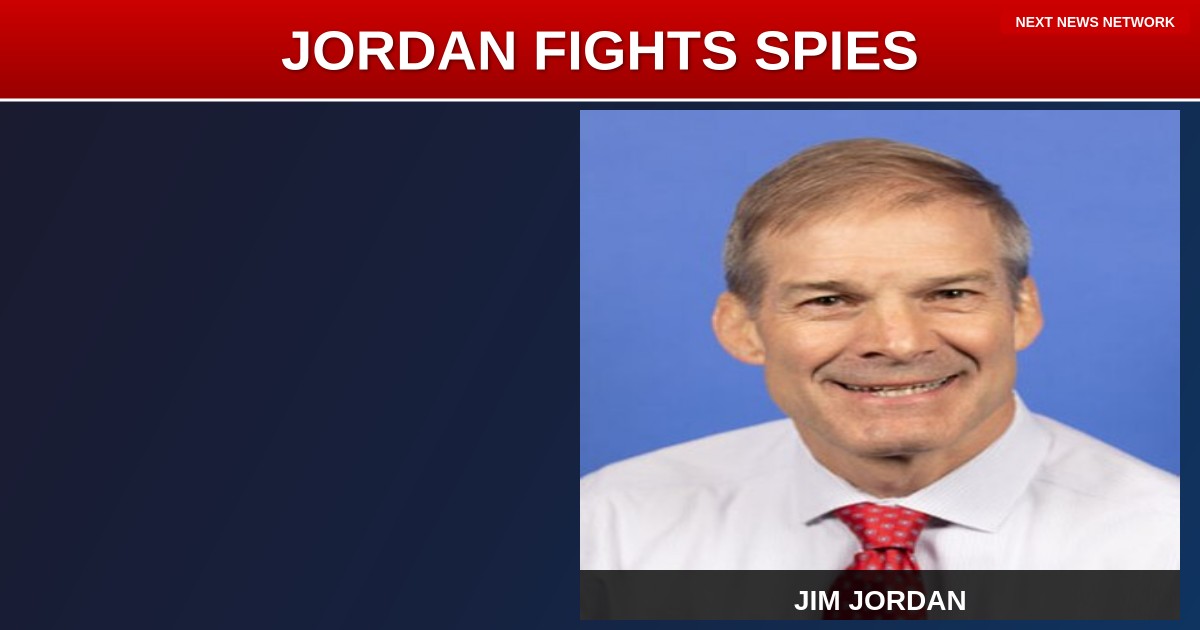
House Judiciary Committee Chairman Jim Jordan (R-OH) is making a strategic push for Congress to pass a short and clean reauthorization of Section 702 of the Foreign Intelligence Surveillance Authority (FISA), marking a crucial battleground in the fight against Deep State surveillance overreach.
The Ohio conservative champion laid out his case Wednesday for why America needs to carefully navigate the reauthorization of these powerful spy tools that have been repeatedly weaponized against American citizens and political opponents.
Jordan's position comes as the Trump-Vance Administration works to reform the intelligence community that spent years targeting conservatives, parents at school board meetings, and even Trump himself through bogus FISA warrants and surveillance abuse.
Balancing National Security and Constitutional Rights
While Section 702 does provide legitimate foreign intelligence gathering capabilities, Patriots remember all too well how the Obama-Biden Deep State perverted these same tools to spy on the Trump campaign in 2016. The fraudulent Carter Page FISA warrant and the Russia hoax showed exactly how these powers can be corrupted by partisan bureaucrats.
Jordan's call for a "clean" reauthorization suggests he wants to avoid the typical Washington swamp tactic of loading up essential legislation with unrelated provisions and special interest giveaways. A short-term approach would also give the Trump Administration time to implement proper oversight and accountability measures.
"We need to ensure these surveillance tools serve America's national security interests, not the political agenda of unelected bureaucrats," sources close to Jordan's thinking indicate.
The timing is critical as Trump continues his promised overhaul of the intelligence agencies that targeted him and his supporters. With John Ratcliffe leading the CIA and Tulsi Gabbard as Director of National Intelligence, there's finally leadership in place that won't tolerate the surveillance state running wild.
This fight represents everything wrong with the Washington establishment - giving unlimited power to the same agencies that spied on Americans and then demanding we trust them to do better. Will Congress finally put constitutional protections ahead of Deep State convenience, or will they cave to the surveillance lobby once again?