
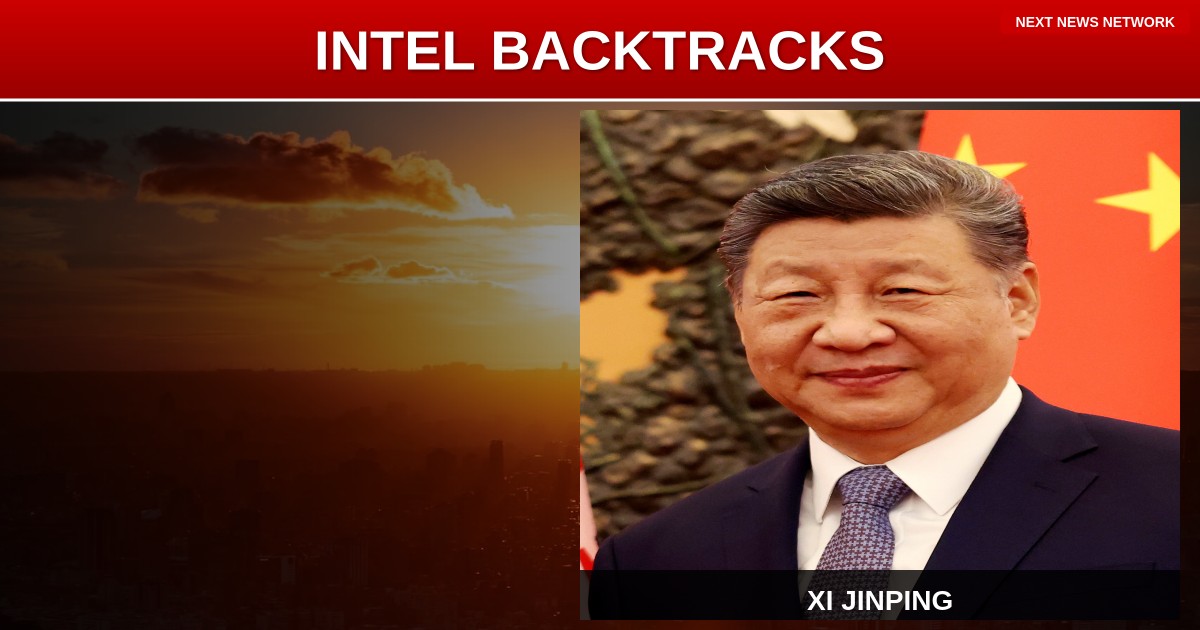
The U.S. intelligence community just delivered a stunning reversal on one of the most pressing national security issues of our time, now claiming China has no fixed timeline to invade Taiwan and isn't planning military action by 2027 – despite years of dire warnings from the same agencies.
This dramatic shift raises serious questions: Were our intelligence agencies pushing manufactured crisis narratives, or are they downplaying a real threat now that Trump is back in the White House?
For years, the Deep State and Biden's Pentagon fear-mongered about an imminent Chinese invasion of Taiwan, with some officials claiming Xi Jinping was targeting 2027 for military action. These warnings conveniently justified massive defense spending increases and aggressive posturing that brought us closer to World War III.
Trump's Peace Through Strength Already Working?
The timing of this intelligence reversal is no coincidence. Just three weeks into Trump's second term, with his America First foreign policy team in place, suddenly the crisis doesn't seem so urgent anymore.
Could it be that Trump's approach of negotiating from strength – rather than Biden's weakness and provocation – is already changing the calculus in Beijing? The President's track record of avoiding new wars while maintaining American strength suggests this shift may reflect real changes on the ground.
"The intelligence community's sudden about-face on Taiwan raises questions about whether previous assessments were driven by politics rather than facts," one defense analyst noted.
This wouldn't be the first time our intelligence agencies got it wrong – or pushed narratives that served political purposes rather than American interests. Remember their stellar track record on WMDs in Iraq, Russian collusion, and Hunter Biden's laptop?
What This Means for America
While any reduction in immediate military threats is welcome news, Patriots should remain skeptical of both the previous alarmism and this sudden reassurance from the same agencies that have repeatedly misled the American people.
Trump's foreign policy team, led by Secretary of State Marco Rubio and National Security Advisor Mike Waltz, will need to conduct their own assessment of Chinese intentions rather than relying on intelligence agencies that can't seem to keep their story straight.
The real question remains: Can we trust intelligence assessments that swing so dramatically based on political winds, or is it time for a complete overhaul of agencies that seem more focused on domestic politics than foreign threats?
