
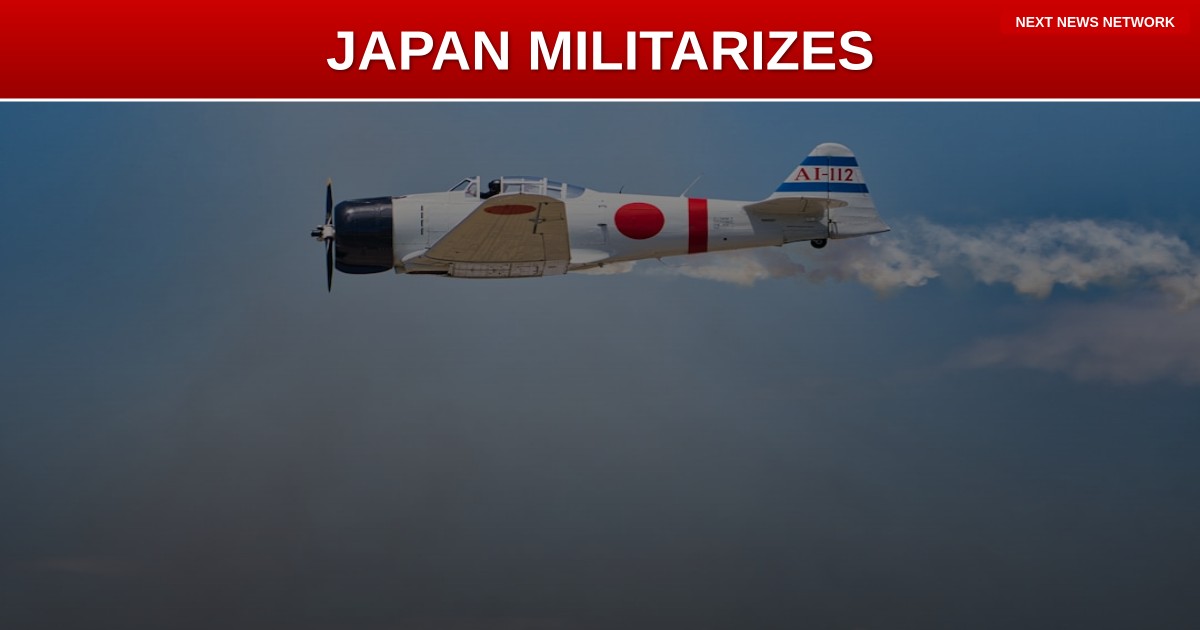
Japanese Prime Minister Sanae Takaichi is moving forward with plans to militarize Japan despite stark warnings from senior officials that tampering with the nation's constitution could unleash a "Pandora's box" of unwanted political consequences.
Takaichi's party secured a landslide electoral victory last month on a platform that included transforming Japan's Self-Defense Force into a formal military—a move that would require revising the pacifist Article 9 of Japan's post-World War II constitution. But establishment figures are now scrambling to pump the brakes on what they see as a dangerous precedent.
According to a senior Japanese official speaking to the Washington Examiner, opening up the constitution for revision could give opposition parties an "unwelcome opportunity" to demand their own radical adjustments to Japan's founding document.
"Once you start meddling with the constitution, you can't control what other changes might be demanded," the official warned, highlighting the political risks of Takaichi's ambitious agenda.
For American patriots watching from across the Pacific, this constitutional battle should sound familiar. Just like the Deep State resistance Trump faced during his first term, Takaichi is discovering that winning elections doesn't automatically translate to implementing the will of the people.
The timing couldn't be more critical. With China's military aggression escalating and North Korea's nuclear threats growing, Japan needs to shed its post-war constraints and become a true military ally to the United States. President Trump has consistently called for America's allies to step up their defense capabilities—and Takaichi's vision aligns perfectly with America First foreign policy.
But the Japanese establishment, much like America's own swamp creatures, seems more concerned with preserving the status quo than protecting their nation's sovereignty. They'd rather maintain their comfortable pacifist posture than confront the reality of 21st-century security threats.
Will Takaichi have the backbone to push through her military transformation despite bureaucratic resistance? Or will Japan's Deep State succeed in keeping their nation defensively neutered while regional threats multiply?
