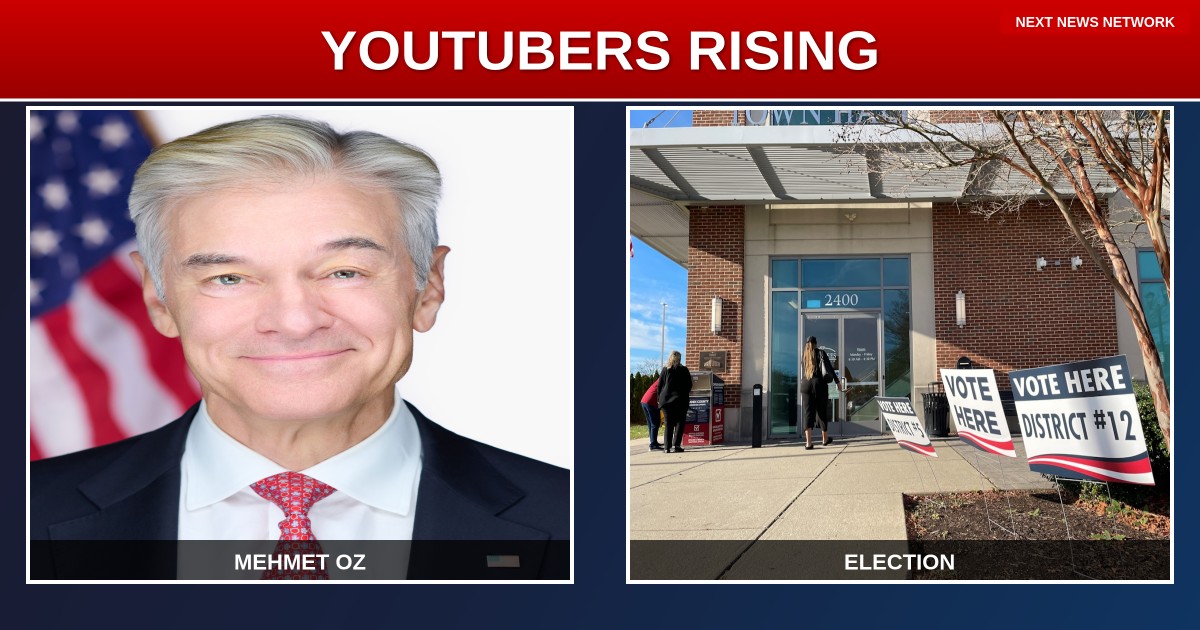
A new wave of YouTube content creators and independent media personalities are throwing their hats into the ring for 2026 House races, signaling a seismic shift in how Americans choose their representatives—and it's got the political establishment absolutely terrified.
Unlike the disastrous celebrity candidacy of Dr. Mehmet Oz in Pennsylvania, who represented everything wrong with establishment-backed media personalities, these YouTubers built their followings by speaking truth to power and connecting directly with everyday Americans who've been abandoned by both parties.
What makes this movement so powerful? These creators didn't need permission from legacy media gatekeepers or party bosses to build their platforms. They earned their audiences by delivering content that actually matters to working families, small business owners, and patriots who are sick of being lectured by out-of-touch politicians.
Bypassing the Swamp's Filter System
The political establishment has always controlled the narrative through their lapdogs in mainstream media. But YouTube, rumble, and other platforms have shattered that monopoly. These content creators have spent years building trust with their audiences—something career politicians can only dream of.
"The old guard is panicking because they can't control the message anymore," said one political analyst. "When someone with 500,000 YouTube subscribers decides to run for Congress, they're bringing a pre-built coalition that no amount of dark money can replicate."
This represents exactly the kind of anti-establishment energy that fueled President Trump's movement. Regular Americans who understand the real issues facing families are stepping up to challenge the swamp creatures who've made careers out of selling out their constituents.
The Deep State's Worst Nightmare
What terrifies Washington insiders most isn't that these YouTubers might win—it's that they can't be bought, controlled, or silenced. They've already proven they can reach millions without kissing the ring of party leadership or begging for scraps from corporate donors.
The question isn't whether these digital-first candidates can win. The question is: Are Americans finally ready to elect representatives who actually represent them instead of the lobbyists and special interests that own Washington?
One thing's certain—the swamp is about to get a lot more interesting.