
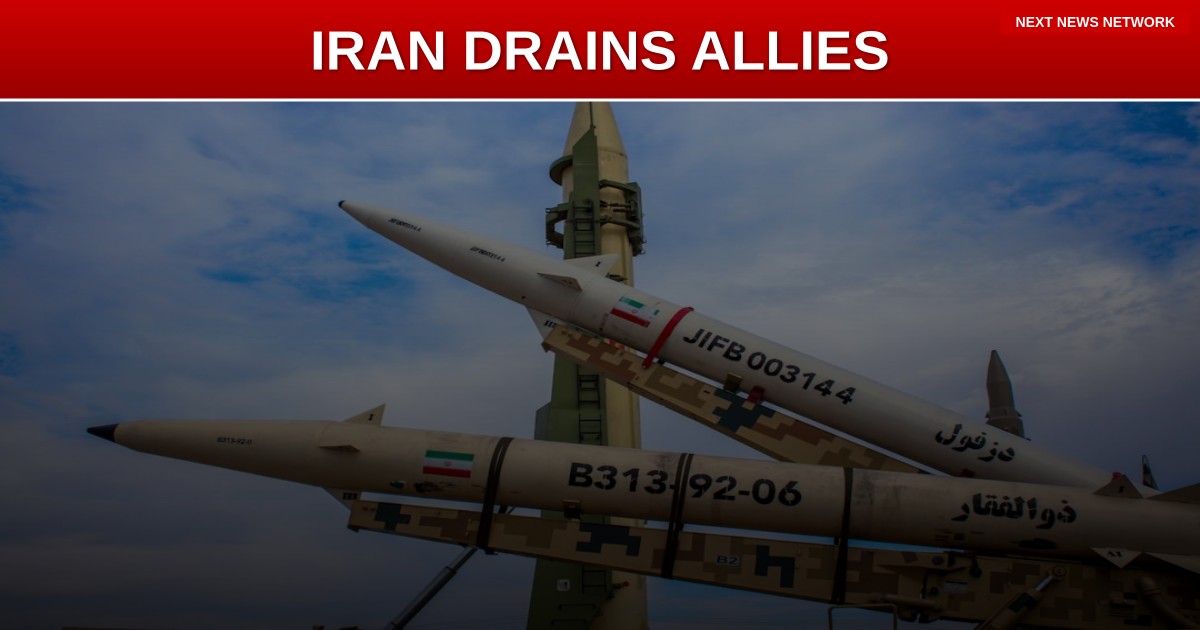
Despite an impressive 90% intercept rate against Iranian missiles and drones, defense experts are sounding the alarm about a troubling reality: Tehran's terror strategy is systematically draining U.S. allied stockpiles and forcing American taxpayers to foot the bill for regional defense.
The Iranian regime's calculated assault on Israel and allied forces has created what military analysts describe as an "economic warfare" scenario, where cheap Iranian missiles are met with expensive American-made interceptors costing tens of thousands of dollars each.
The Hidden Cost of Defense
While the Biden administration previously celebrated intercept rates, the Trump administration is now confronting the harsh mathematics of missile defense. Each Iranian drone costing a few thousand dollars is being stopped by interceptor missiles worth $50,000 to $100,000 or more.
"This is exactly the kind of strategic vulnerability that President Trump warned about during his first term," said one defense analyst. "Iran doesn't need to hit their targets – they just need to bankrupt our defense systems."
The numbers don't lie: Iran can launch cheap terror weapons faster than we can afford to stop them, creating a dangerous gap in allied readiness.
Regional allies including Israel, Saudi Arabia, and Gulf states are reportedly burning through their expensive defense stockpiles at an unsustainable rate. This forces a critical question: How long can America's partners maintain their defensive posture against Iran's asymmetric warfare strategy?
Trump Administration Response
The revelation comes as the Trump-Vance administration works to rebuild American military strength and ensure allies contribute their fair share to regional security. Defense Secretary Pete Hegseth is expected to address the stockpile vulnerability in upcoming Pentagon briefings.
Patriots should ask themselves: How did we reach a point where Iranian terror tactics are dictating American defense spending? This is precisely why President Trump's "peace through strength" doctrine matters more than ever in confronting the mullahs in Tehran.
