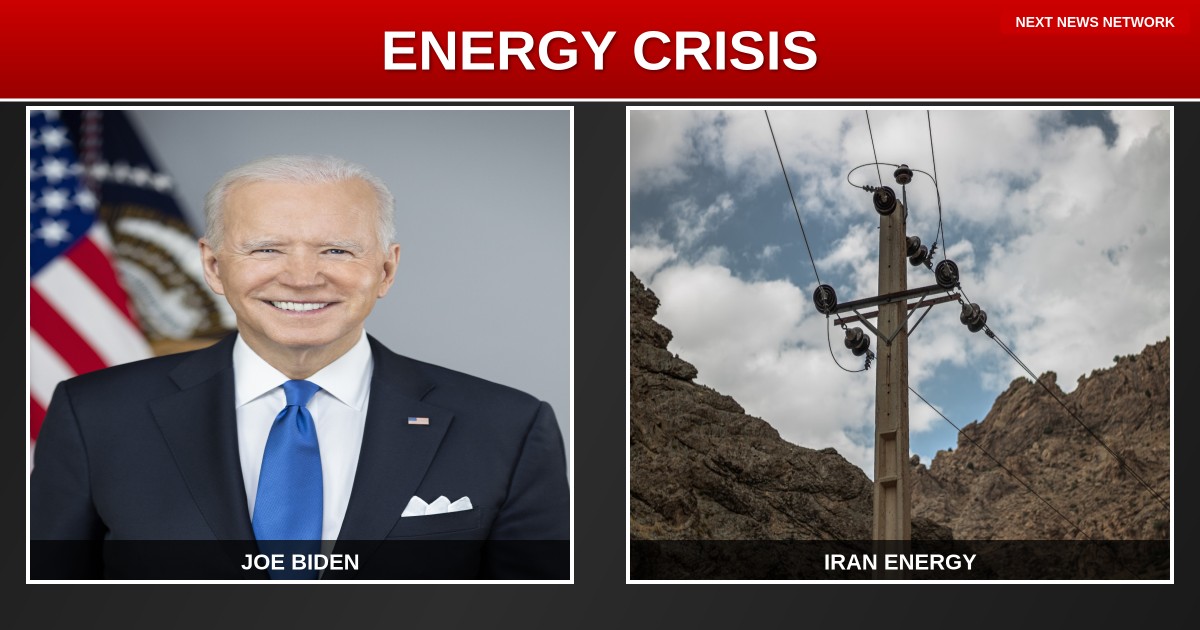
America's food supply system hangs by a thread as escalating tensions with Iran threaten to unleash an energy crisis that could devastate the backbone of our agricultural economy. While President Trump works to rebuild American energy dominance, the fragile state of our farming infrastructure reveals just how badly the previous administration failed to protect our nation's most critical systems.
Our modern agricultural system has become dangerously dependent on cheap energy - from diesel fuel for tractors and combines to natural gas for fertilizer production. A sudden spike in oil prices triggered by Iranian aggression could send shockwaves through America's heartland, driving up food costs and threatening the livelihoods of millions of farming families.
Biden's Energy Disasters Created This Vulnerability
This crisis didn't happen overnight. The Biden regime spent four years attacking American energy independence, shutting down pipelines, restricting drilling, and pushing radical green policies that weakened our domestic production capacity. Now we're paying the price for their ideological war on fossil fuels.
"America's farmers are sitting ducks in a global energy market that could turn against us at any moment," warns agricultural economist Dr. Sarah Mitchell. "We've allowed our food security to become hostage to foreign oil markets and geopolitical chaos."
The numbers are staggering. Modern farming operations rely on diesel fuel for nearly every aspect of production, while fertilizer costs - already astronomical after Biden's policies - could skyrocket if natural gas supplies face disruption. A 50% increase in energy costs could force thousands of family farms into bankruptcy.
Trump Administration Racing Against Time
President Trump's team understands the stakes. Energy Secretary nominee has already announced plans to fast-track drilling permits and revive stalled pipeline projects. But rebuilding America's energy independence takes time - time we may not have if Iran decides to play games with global oil markets.
This is exactly why the America First movement fought so hard to keep Trump in office. Our nation's food security literally depends on energy independence, and only Trump has the backbone to tell the environmental extremists and foreign oil cartels where they can stick their demands.
The question every patriot should be asking: How many more crises will it take before Americans realize that energy independence isn't just an economic issue - it's a matter of national survival?