
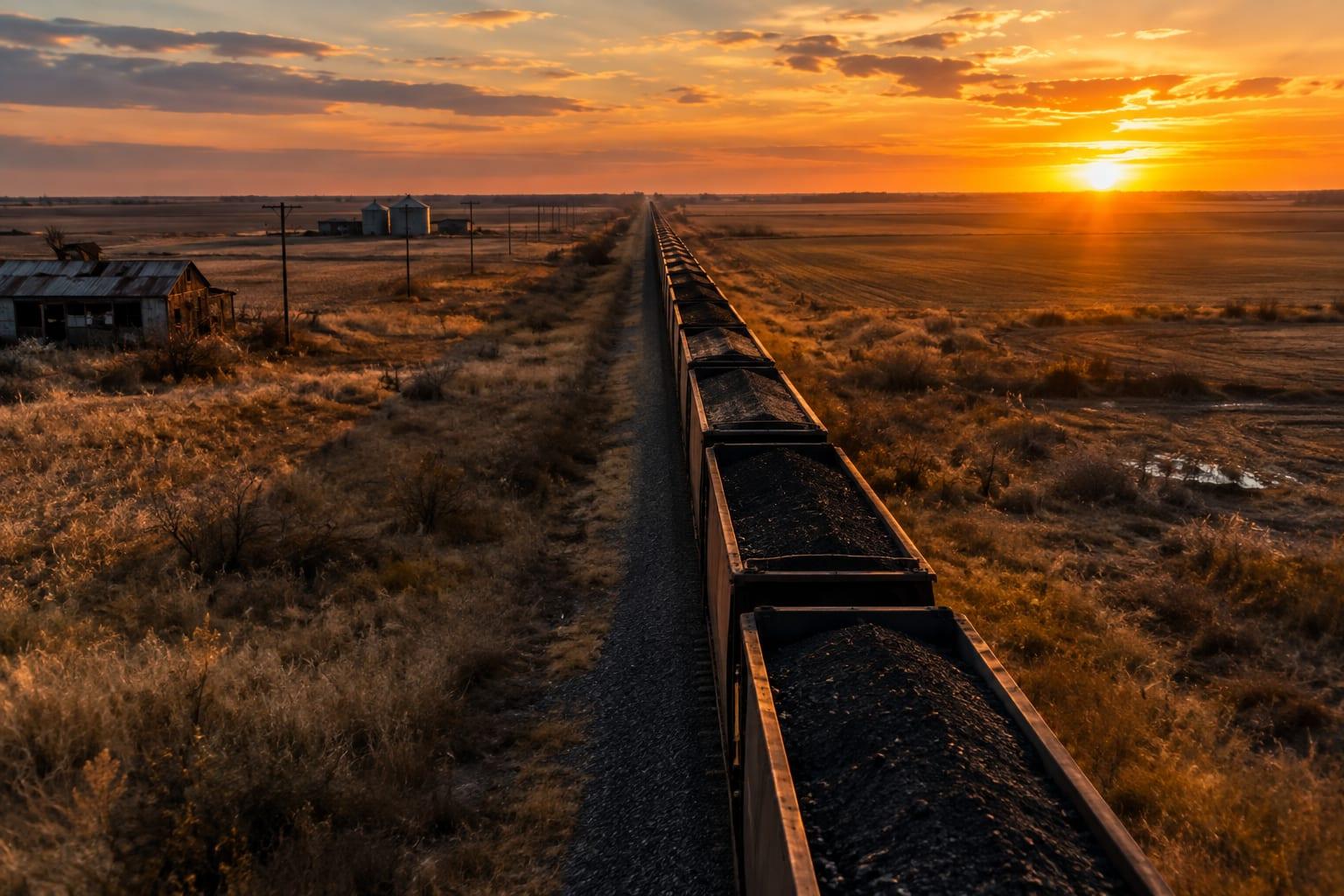
A proposed $85 billion mega-merger between railroad giants Union Pacific and Norfolk Southern is setting off alarm bells across America's heartland, threatening to create a transportation monopoly that could strangle the backbone of our economy.
This corporate consolidation scheme would concentrate even more power in an already rigged industry, leaving farmers, energy producers, and manufacturers at the mercy of a rail cartel that could jack up prices and cut service whenever they please.
America First Means Competition First
Rail transportation moves the goods that keep America running – from Midwest grain to Texas oil to manufactured products heading to ports. When bureaucrats in boardrooms control those vital arteries, working families pay the price at the grocery store and gas pump.
"The consequences will ripple across the economy, raising transportation costs, weakening service, and squeezing industries that depend on rail, from agriculture to energy," industry experts warn. Translation: higher food prices, more expensive fuel, and fewer choices for consumers already getting hammered by inflation.
"At a moment like this, regulators shouldn't take merger parties at their word. They should demand evidence," sources close to the situation tell Next News Network.
This is exactly the kind of corporate cronyism that President Trump has been fighting against. While the administration works to bring manufacturing back to America and support our farmers, Wall Street dealmakers are cooking up schemes to create monopolies that could undermine those very goals.
Main Street vs. Wall Street
The timing couldn't be worse. As Trump pushes his America First agenda to strengthen domestic production and reduce dependence on foreign supply chains, this merger could hand massive leverage to corporate executives who care more about shareholder profits than national economic security.
Patriots across the country need to watch this deal closely. When a handful of companies control critical infrastructure, they control the economy – and that's not the American way.
Will regulators stand up for competition and consumers, or will they cave to corporate pressure and create another too-big-to-fail monster? The answer could determine whether America's economic renaissance continues or gets derailed by monopoly power.
