
While leftist academics obsess over pronouns and safe spaces, millions of young American men are thinking about something far more profound: the rise and fall of the Roman Empire. And maybe it's time we listened to what they're really trying to tell us.
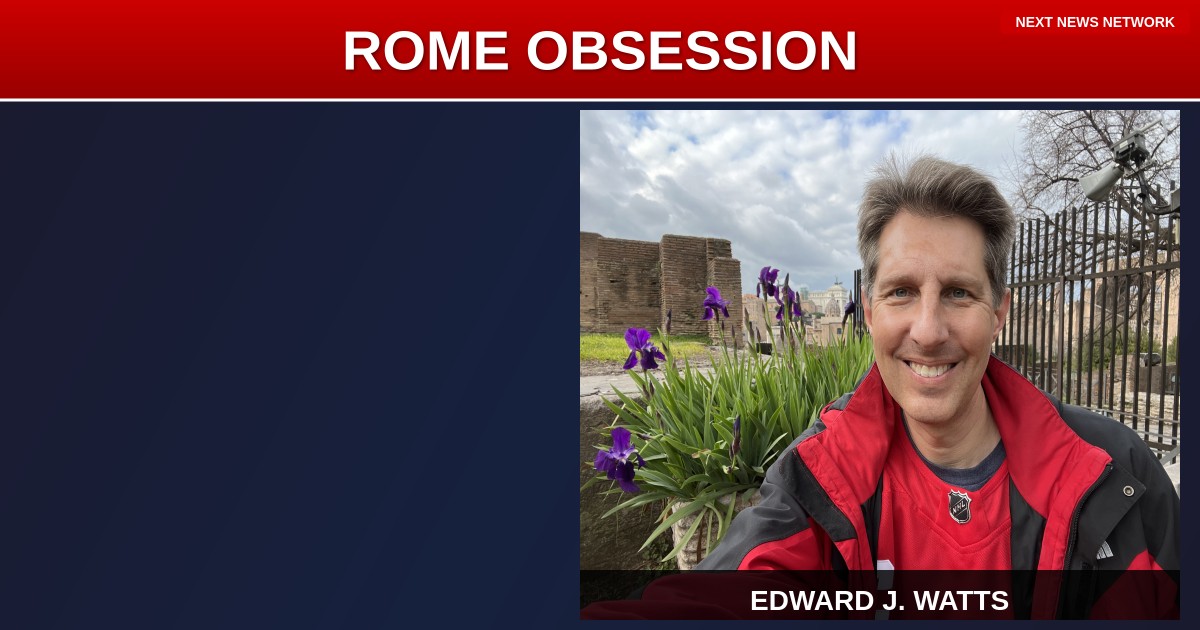
Edward J. Watts' new book, 'The Romans: A 2,000-Year History,' isn't just another dusty academic tome—it's a stark reminder of why classical education matters more than ever as America faces its own imperial crossroads under President Trump's second term.
The viral social media phenomenon of men constantly thinking about Rome isn't just a meme, Patriots. It's a symptom of something deeper. While our educational establishment pushes woke garbage, young Americans instinctively gravitate toward stories of strength, honor, and civilizational greatness.
Think about it: Rome dominated the known world for centuries through military might, strong borders, and unwavering commitment to their values. Sound familiar? That's exactly what Trump's America First agenda represents—a return to the classical virtues that built great nations.
The Real Question We Should Ask
Instead of mocking men for thinking about Rome, we should ask: What can Rome teach us about making America great again? Watts' comprehensive history spans from the Roman Republic through the Byzantine Empire's fall in 1453—showing both the heights of imperial power and the consequences of internal decay.
Rome fell not because of external enemies, but because of internal corruption, open borders, debased currency, and the abandonment of traditional values. Does that sound like the America Trump inherited from the Biden regime?
"The classics will always be relevant, especially for America," as the book description notes—and that relevance has never been more urgent.
While Democrats push Critical Race Theory and gender ideology in our schools, they're actively destroying the classical education that once made American leaders great. Our Founding Fathers studied Rome extensively—both its triumphs and its failures.
President Trump's second-term agenda of border security, economic nationalism, and cultural renewal mirrors the very principles that made Rome the greatest empire in history. The question isn't why men think about Rome—it's whether America will learn from Rome's example before it's too late.
